A beginner-friendly guide that removes guesswork
If you’re just starting out with content, the hardest part usually isn’t motivation — it’s knowing what to create first.
Most beginners don’t fail because they lack ideas or effort. They fail because they’re afraid of posting the wrong thing. They overthink, compare themselves to established creators, and wait until they feel “ready.”
The truth is much simpler than most advice makes it.
The right content to create first isn’t creative, personal, or impressive.
It’s useful, simple, and already being searched for.
This guide will show you exactly what that looks like — and what to ignore.
Why Most Beginners Never Publish Their First Content
Before deciding what to create, it helps to understand why beginners get stuck.
Common reasons include:
- Trying to be original instead of helpful
- Waiting to feel confident or knowledgeable
- Believing their first post must represent their “brand”
- Consuming content instead of creating it
Here’s the key shift to make early on:
Beginners don’t need better ideas. They need clear starting rules.
Once the rules are clear, action becomes much easier.
The Rule That Determines the Right First Content
There is one rule that matters more than everything else:
The right content to create first answers beginner questions that already exist.
That’s it.
Not opinions.
Not motivation.
Not personal stories.
If someone is already typing a question into Google or YouTube, and you can explain the answer clearly, that is valid beginner content.
What the Right First Content Is Not
Many beginners start with content that feels safe but doesn’t work early on.
Avoid creating these types of content first:
- Personal journey or “my story” posts
- Motivation or mindset content
- Advanced tutorials
- Thought leadership or strong opinions
- Vague inspirational posts
This kind of content works after you’ve earned attention, not before.
A simple rule to remember:
Help first. Express later.
The 4 Types of Content Beginners Should Create First
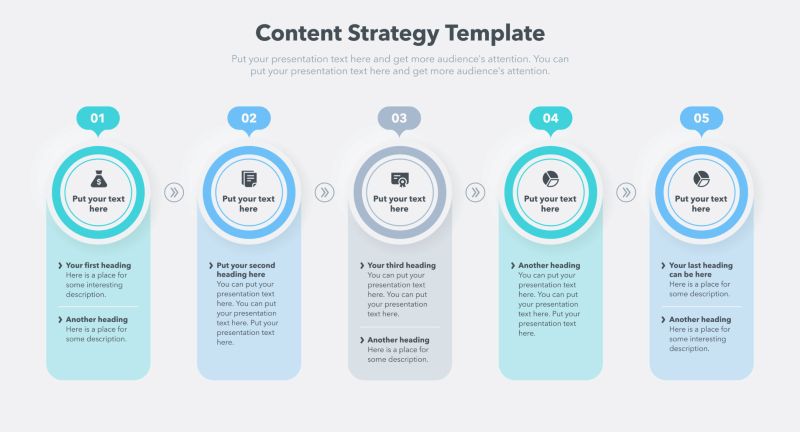
These four content types are beginner-friendly, repeatable, and effective across almost any topic.
You don’t need creativity or expertise — just clarity.
1. “How Does This Work?” Content
This content explains something clearly for someone who is new.
Examples:
- How X works for beginners
- How beginners should start with X
- What to expect when starting X
Why this works:
- High beginner search intent
- Easy to research and explain
- Positions you as helpful, not authoritative
You don’t need experience — you just need to explain what you’re learning in simple terms.
2. “Is This Legit or Worth It?” Content
This content addresses skepticism and uncertainty.
Examples:
- Is X legit?
- Is X worth it for beginners?
- Pros and cons of X
Why this works:
- Beginners are naturally cautious
- Builds trust quickly
- Aligns well with future recommendations
People are already searching these questions because they want clarity before deciding.
3. Beginner Comparison Content
This content helps people choose between options.
Examples:
- X vs Y for beginners
- Which is easier to start with: X or Y?
- Best option for beginners
Important reminder:
You’re not declaring a winner — you’re helping beginners understand differences.
That alone provides value.
4. “Getting Started” Content
This content focuses on first steps and simple actions.
Examples:
- How to start with X as a beginner
- First steps beginners should take with X
- What beginners should do first
Why this works:
- Action-oriented
- Evergreen
- Naturally leads to checklists, guides, or email opt-ins
This is some of the most useful beginner content you can create.
Why These Are the Right Content Types to Start With
These content types work because they:
- Match real beginner search intent
- Don’t require authority or credentials
- Build trust naturally
- Support long-term monetization without pressure
Affiliate income, when it comes later, is a byproduct of helping people make decisions, not convincing them.
How Much Content a Beginner Actually Needs
This is where most beginners feel relief.
You do not need:
- Daily posts
- Viral content
- Hundreds of articles
A realistic target is:
20–30 beginner-focused pieces of content
That’s enough to build confidence, learn what works, and create momentum.
A Simple Beginner Publishing Plan
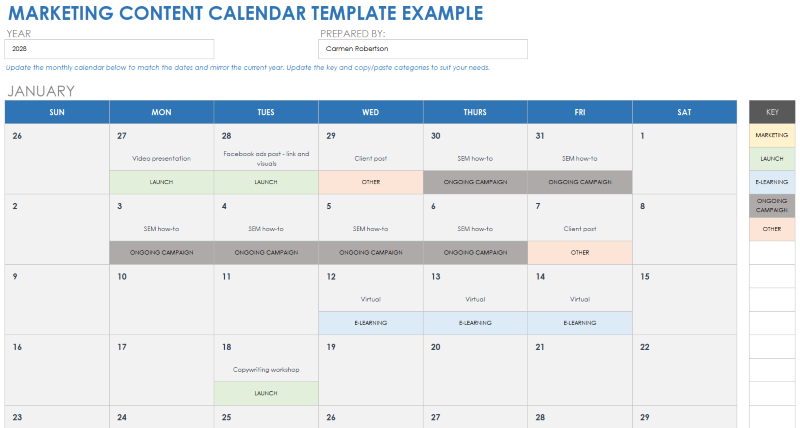
Keep it simple:
- Choose one topic
- Rotate the four content types
- Publish consistently (even once per week works)
- Improve as you go
Confidence comes after action, not before it.
What to Expect After Publishing Your First Content
Be prepared for this:
- Traffic will be slow at first
- That is normal
- The goal early on is momentum, not results
Your first content doesn’t exist to “win.”
It exists to turn you into someone who publishes.
That identity shift matters more than early numbers.
Final Thoughts
Once you know the right content to create first, the path forward becomes much clearer.
Start small.
Create something helpful.
Publish it.
Then repeat.
That’s how beginners actually build momentum — and how content systems are formed the right way.

I love to shares practical tips, tools, and resources to help make building income online simpler and more approachable. Through this website, you get helpful content and recommendations, including the Plug-In Profit Site, a system designed to help beginners get started online with a website, step-by-step training, and built-in income streams. Learn more about getting started with Plug-In Profit Site here.